About Vacuum Impregnated Material
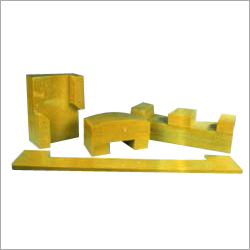
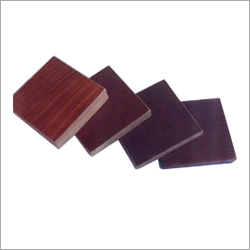
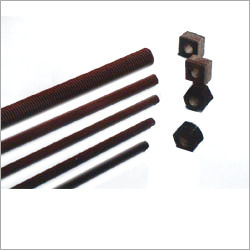
we have earned a distinguished name in manufacturing and exporting prime quality Vacuum Impregnated Material that are used for improving sealing efficiency and increasing productivity of the equipments without effecting on the functional and dimensional characteristics of the material. The industries in which these are demanded are aviation, automotives, oil & gas industry and food industry. Our Vacuum Impregnated Materials are control pot, transformers, tension plates, railways, cryogenic pipe lines, lifting bar, fish plates, stud nuts, oil circuit breakers, tap changers, turbo generators etc.
Features
-
Prevent leakage
-
Robust built
-
Economical
Superior Sealing for Industrial ComponentsExpertly engineered to eliminate porosity, our vacuum impregnated materials guarantee leak prevention in auto, electrical, and powder metallurgy components. Continuous innovation ensures high accuracy and extended product life, making our solutions indispensable for demanding industries.
Advanced PLC-Controlled Process for PrecisionOur electric PLC-controlled system ensures accurate and efficient vacuum impregnation. This technology provides uniform material penetration, elevating leak tightness and overall reliability for critical applications across various industries.
Commitment to Quality and ReliabilityAs a trusted exporter, manufacturer, and supplier from India, we prioritize stringent quality control. Our materials conform to global standards, empowering clients with long-lasting and reliable performance for high-stakes components.
FAQs of Vacuum Impregnated Material:
Q: How does the vacuum impregnation process enhance the leak tightness of porous metal components?
A: The vacuum impregnation process removes air from pores and fills them with a specialized sealant under controlled conditions, effectively sealing even micron-level porosity and improving leak tightness in porous metals and alloys.
Q: What applications are ideal for vacuum impregnated materials?
A: Vacuum impregnated materials are especially suitable for auto components, electrical castings, and powder metallurgy parts where high leak prevention and improved reliability are critical.
Q: When is vacuum impregnation recommended for industrial parts?
A: Vacuum impregnation is typically recommended when components exhibit porosity that might cause fluid or gas leakage, especially in high-precision applications requiring micron-level leak tightness.
Q: Where is your vacuum impregnation material supplied from?
A: We manufacture and export our vacuum impregnated materials from India, supplying to clients worldwide who demand high-quality industrial sealing solutions.
Q: What steps are involved in the vacuum impregnation process controlled by PLC?
A: The process involves placing the component in a vacuum chamber, reducing pressure to evacuate air, introducing the sealant, and using the PLC-controlled system to ensure exact timing and consistency for optimal pore sealing.
Q: How should vacuum impregnated components be used after treatment?
A: After treatment, vacuum impregnated components can be used directly in their intended assemblies. The process ensures superior leak tightness, enhancing reliability and extending component service life.
Q: What benefits do vacuum impregnated materials offer to manufacturers and end-users?
A: Manufacturers and end-users benefit from efficient sealing, high reliability, improved leak prevention, and longer component life, reducing maintenance and warranty costs in critical industrial applications.






 Send Inquiry


 Send Inquiry