About Industrial Composite Products
| Electrical |
Transformer, Switch Gear, Generator, Motor, Control Panel, etc. |
| Defence |
Established Applications in Military, Navy & AirForce |
| Railways |
Coach Buildings, Electrical Equipments, Traction Equipments, Rail Track components etc. |
| Automobile |
Instrument Panel, Parcel Tray, Flooring, Under Bonnet Applications, Bumpers, etc. |
| Foundries |
Match Plates & Pattern etc. |
| Forgings |
Pattern Making, etc. |
| Textile machineries |
Picking Sticks, etc for High Speed Automatic Looms. |
| Telecommunications |
Underground Cable Covers & Casings, Joint Boxes, Telephone Booths etc. |
| Chemical |
Pipelines, Tanks, Cryogenic Applications, etc. |
| Petroleum |
Off-shore applications, pipelines, Non-corrosive doors, Partition, etc. |
| Construction |
Doors, Flooring Material, etc. |
| Atomic Energy |
Neutron Shielding Application. |
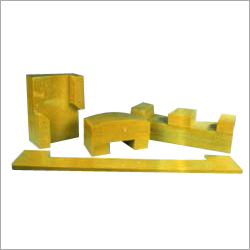
Advanced Composite TechnologyOur manufacturing process integrates pultrusion, filament winding, and molding to create high-performance composites. This combination ensures each product delivers enhanced mechanical strength and durability, making them ideal for demanding industrial environments.
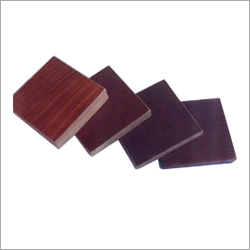
Versatile Surface TreatmentsWe provide various surface finishes such as smooth, painted, and sanded to meet specific application requirements. These treatments not only enhance the aesthetic appeal but also contribute to additional corrosion protection, prolonging the lifespan of the products.
Customized for Industrial NeedsBy using FRP, GRP, and custom polymer resins, our composites are designed to resist harsh chemicals and environmental factors. Applications include chemical processing, power generation, structural support, and machine component manufacturing.
FAQs of Industrial Composite Products:
Q: How are industrial composite products manufactured using pultrusion, filament winding, and molding technologies?
A: Industrial composite products are crafted by utilizing pultrusion for continuous profiles, filament winding for cylindrical components, and molding for complex shapes. These processes ensure consistent reinforcement and structural integrity throughout the product, tailored to each applications requirements.
Q: What materials are used in your composite products to provide mechanical strength and corrosion resistance?
A: We use FRP (Fiber Reinforced Plastic), GRP (Glass Reinforced Plastic), and customized polymer resin blends. These materials are selected for their high tensile strength and inherent ability to resist chemicals and moisture, making them ideal for challenging industrial settings.
Q: Where can these composite products be applied within the chemical industry and power plants?
A: Our products are widely used for structural supports, machine components, containment systems, and pipelines in chemical industries and power plants. Their adaptability and robust construction make them suitable for various high-demand environments.
Q: What surface treatments are available for your composite products, and how do they benefit the application?
A: We offer smooth-finished, painted, and sanded surface treatments. These finishes improve product appearance and add layers of protection against chemical exposure and wear, thereby increasing durability and reducing maintenance costs.
Q: What is the operating pressure range and voltage capacity for automated composite product units?
A: The automated units can safely operate at pressures up to 10 Bar, with the electrical systems compatible with 220V/380V power supplies, ensuring reliable performance in industrial settings.
Q: How does your control system enhance the operation of industrial FRP fabrication equipment?
A: Our equipment incorporates PLC-controlled and manual operation modes. This allows for precision in automated processes and flexibility for manual adjustments, optimizing production efficiency and consistency.
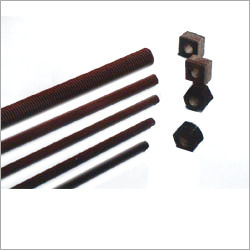
Q: What types of accessories can be supplied with the composite products, and how do they facilitate installation?
A: Accessories like end fittings, couplers, and hardware fasteners are provided. These components ensure easy integration into existing systems and secure installation, supporting both mechanical stability and quick maintenance.





 Send Inquiry


 Send Inquiry