

Call us now
08045803555
Call us now
08045803555
We are counted amongst the truthful manufacturers and suppliers of high quality range of Composite Engineering Materials. These engineering materials are manufactured at our well facilitated infrastructural unit by making use of optimum grade constituents and advanced methodologies in adherence with the quality norms laid down by the industry. Our offered entire assortment of Composite Engineering Materials finds extensive applications in railways, defense, foundries, forging, textile, electrical, automotive, chemical, telecommunication, atomic energy, constructions and petroleum industries.
Features:
Sturdy structure
Optimum longevity
Excellent insulating properties
Specifications:
| Electrical | Transformer, Switch Gear, Generator, Motor, Control Panel, etc. |
| Defence | Established Applications in Military, Navy & AirForce |
| Railways | Coach Buildings, Electrical Equipments, Traction Equipments, Rail Track components etc. |
| Automobile | Instrument Panel, Parcel Tray, Flooring, Under Bonnet Applications, Bumpers, etc. |
| Foundries | Match Plates & Pattern etc. |
| Forgings | Pattern Making, etc. |
| Textile machineries | Picking Sticks, etc for High Speed Automatic Looms. |
| Telecommunications | Underground Cable Covers & Casings, Joint Boxes, Telephone Booths etc. |
| Chemical | Pipelines, Tanks, Cryogenic Applications, etc. |
| Petroleum | Off-shore applications, pipelines, Non-corrosive doors, Partition, etc. |
| Construction | Doors, Flooring Material, etc. |
| Atomic Energy | Neutron Shielding Application. |
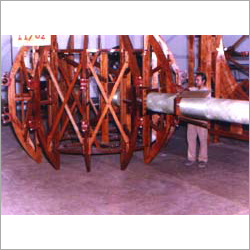

Price:
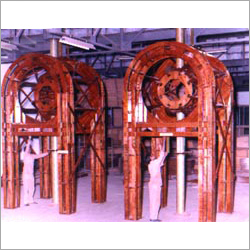
Minimum Order Quantity : 1 Piece
Function : High Strength, Lightweight
Surface Treatment : Polished
Application : Aerospace, Automotive, Construction
Accessories Type : Supporting Fixtures
Operating Pressure : 30 MPa
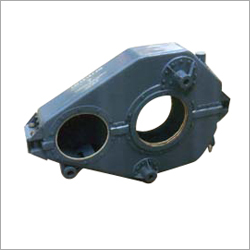
Minimum Order Quantity : 1 Piece
Function : High Strength Structural Support
Surface Treatment : Polished/Matte Finish
Application : Industrial, Construction, Electrical Insulation
Accessories Type : Cutting, Drilling, Mounting Accessories
Operating Pressure : Ambient


 Send Inquiry


 Send Inquiry