About Glass Composite Sheets
Glass Composite Sheets
We are recognized to be one of the most reliable manufacturers and suppliers of Glass Composite Sheets. These sheets are manufactured from phenolic, melamine, silicone, polyamide, polyester, prepregs, semi conducting materials and cotton fabric based laminates by employing advanced technologies. Our stringently testified Glass Composite Sheets are suitably utilized in the making of rectifiers, generators, motors and circuit breakers. To match with the variegated requirements of our wide and respected client base, we offer these sheets in various sizes, patterns and dimensions.
Key Features:
- Smooth finish
- Dimensional precision
- Can sustain adverse weather conditions
Further Details:
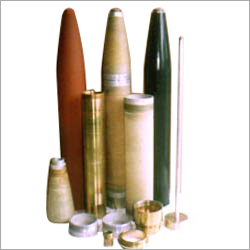
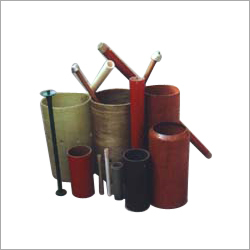
We offer components like mounting panel, operating rod, base plate, studs, & nuts, which find application in circuit breakers, rectifiers, generators, motors, and others.
Exceptional Electrical InsulationThese glass composite sheets are designed to deliver optimum electrical insulation, adhering to IEC, ASTM, and IS standards. With an electrical strength of 10 kV/mm and a dielectric constant between 4.5 5.5, they reliably prevent current leakage and maintain dielectric performance, making them indispensable for electrical panels and switchgear insulation.
Superior Mechanical and Environmental ProtectionManufactured to exceed compressive, tensile, and flexural strength benchmarks, our sheets provide excellent structural support. Their low absorption rates, flame retardant abilities, and strong UV resistance ensure durability and safety in diverse operational conditions, from industrial facilities to outdoor construction environments.
Customizable Versatility for Industrial ApplicationsOffered in a variety of colors (green, yellow, and customized options), thicknesses (1 mm to 20 mm), and sizes (including 1220 mm x 2440 mm), these sheets seamlessly adapt to project requirements. Their smooth, glossy surfaces and hot-pressed integrity allow for efficient processing and hassle-free installation in electrical, mechanical, or building applications.
FAQs of Glass Composite Sheets:
Q: How can Glass Composite Sheets be used in electrical applications?
A: Glass Composite Sheets are ideal as electrical insulation panels, switchgear insulation, and busbar supports due to their excellent dielectric properties and high electrical strength (10 kV/mm). They ensure safe operation by minimizing current leakage and supporting structural reliability in high-voltage environments.
Q: What makes these glass composite sheets flame retardant and UV resistant?
A: The sheets are manufactured using glass fiber reinforced composites with specific additives and processed via hot pressing, conferring inherent flame retardancy and robust UV resistance. This ensures long-term durability even when exposed to heat or sunlight in demanding industrial conditions.
Q: When should I opt for customized dimensions or colors for these sheets?
A: Custom options are recommended when your project requires sheets outside the standard size (1220 mm x 2440 mm) or thickness range (1 mm to 20 mm), or when a specific color is needed for coding, aesthetics, or application-specific requirements. Customized production ensures an optimal fit for each unique use case.
Q: Where are these sheets commonly installed?
A: Youll find these glass composite sheets in electrical switchgear, busbar supports, electrical panels, industrial machinery, and structural components within both indoor and outdoor environments. Their high strength and resistance to water and UV make them versatile across sectors including power distribution, construction, and heavy industry.
Q: What is the manufacturing process of these glass composite sheets?
A: Production involves reinforcing glass fibers in a composite matrix, which is then subjected to hot pressing. This process guarantees consistent, smooth surfaces on both sides, excellent mechanical integrity, and reliable performance even in demanding environmental conditions.
Q: What benefits do these sheets offer compared to traditional insulation materials?
A: Apart from high electrical and mechanical strength, they offer low water and moisture absorption, superior fire resistance, and UV stability. Their ability to be custom-sized, colored, and provided in various thicknesses allows for broad adaptability and cost-effective implementation in critical infrastructure projects.





 Send Inquiry


 Send Inquiry